Intro to Still Losing Hair After Baby? Here’s the Truth About Postpartum Hair Loss—and What You Can Do Naturally
Let’s be real.
No one really prepares you for this part of motherhood: watching your hair fall out in clumps months after your baby arrives.
And if you’re two years postpartum and still dealing with hair thinning, you’re not alone—and you’re not imagining it.
Here’s what’s going on.
During pregnancy, your body is flooded with hormones like estrogen and progesterone, which keep your hair in a prolonged growth phase.
You probably noticed your hair was thicker, shinier, and more luxurious than ever.
But after delivery, hormone levels plummet. And that sudden drop triggers the shedding phase (telogen), leading to what’s known as postpartum hair loss.
It typically starts 2 to 4 months after childbirth and can last up to a year—or longer—especially if your body hasn’t fully replenished its nutrients or if your scalp isn’t in ideal condition.
Now, let’s add stress to the mix—because caring for a newborn, lack of sleep, and constant shifts in routines elevate cortisol (your stress hormone), which also contributes to hair thinning by prematurely pushing hair follicles into rest mode.
Yes, it’s common.
But no, you don’t have to just accept it.
How to Support Hair Regrowth Naturally (Without Adding More Stress to Your Life)
Here’s what you can do right now to support your body and help your hair bounce back naturally.
🟢 Feed your follicles
A balanced diet rich in vegetables, lean protein, and healthy fats provides your hair with key nutrients. Focus on:
-
Protein (chicken, fish, beans, eggs, kale, asparagus)
-
B vitamins, especially B5, B12, and folate
-
Vitamin C, Vitamin A, zinc, and niacin
-
Inositol (found in citrus, leafy greens, and nuts), which supports healthy scalp function
(And yes—when you’re ready, we’ll share the simple “egg trick” that supercharges hair growth using what’s in your fridge!)
🟢 Take your supplements seriously
A multivitamin designed for postpartum recovery can help bridge nutritional gaps. If you’re working out or feel depleted, ask your doctor about zinc and magnesium—both are essential for strong hair growth.
🟢 Give your scalp some TLC
Massaging your scalp for just 4 minutes daily (with your fingertips, not nails) can increase blood flow and help nourish your follicles. Make it a calming ritual—your scalp deserves it.
🟢 Ditch tight hairstyles
Skip ponytails and buns that pull at your hair. They can cause tension and breakage on already fragile strands.
🟢 Switch to clean, silicone-free haircare
Don’t fall for the “baby shampoo” hype. Many mainstream and even so-called “organic” brands use hidden forms of silicone that can clog follicles and sabotage growth. That’s why we created our Silicone Derivative AVOID List—so you’ll know exactly what to avoid. You deserve real transparency.
Ready for a Fast-Track Solution?
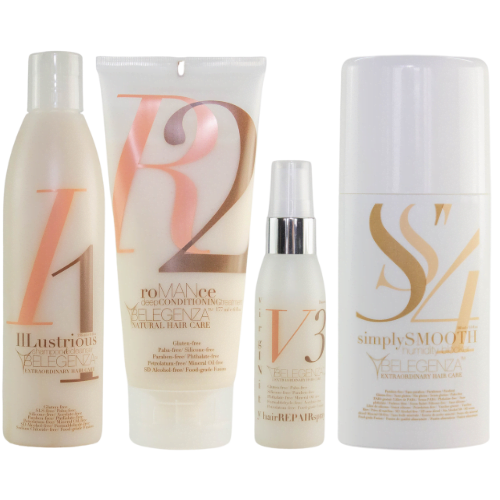
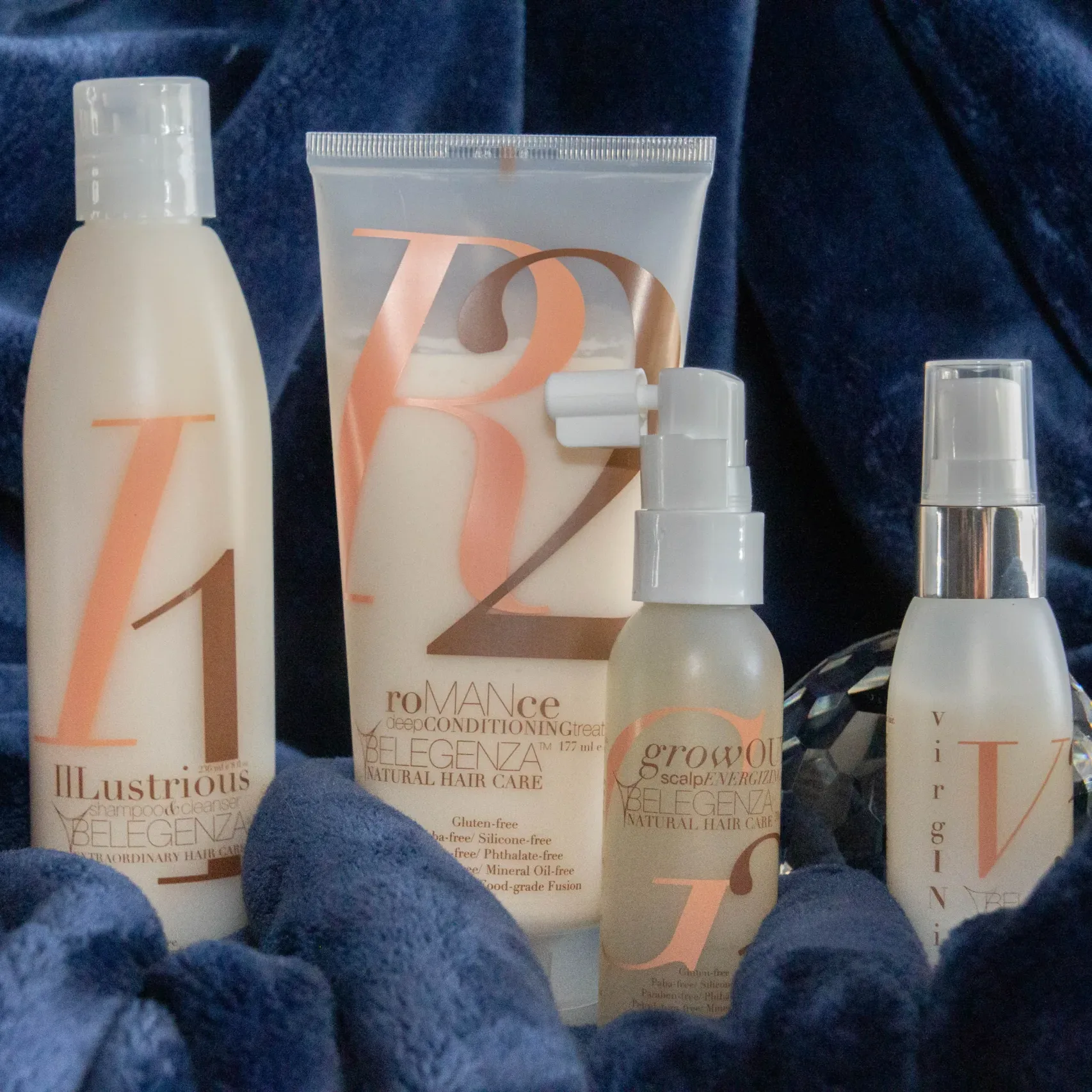
The Postpartum Hair Kit by Belegenza is your no-brainer starting point.
It’s packed with potent botanicals, gentle cleansers, and proven extracts that deeply nourish your scalp, remove buildup, and stimulate regrowth from the root.
Prefer to start small?
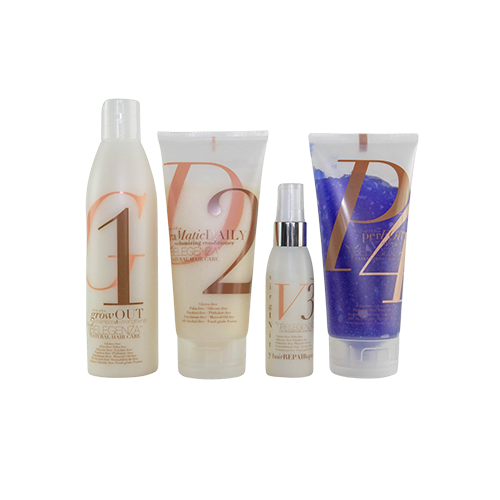
Try our Hair Growth Starter Set—perfect if you’re short on time and want results without second-guessing your products.
And here’s the real magic:
When you order, you’ll get Alan & Cheryl’s direct cell/text number—no call centers—just real people who’ve helped thousands of women regain their hair (and confidence)–especially due to Postpartum Hair Loss.
You’re not just “being dramatic.”
You’re not “too late.”
You can have your hair back.
And the best part?
You don’t have to figure Postpartum Hair Loss out alone.
Get started now.
Postpartum Hair Kit by Belegenza
Your Postpartum Hair Growth Experts,
Alan & Cheryl
- How to Build a Scalp-First Haircare Routine for Healthier, Fuller-Looking Hair
- Color WOW Dream Coat vs. Belegenza VirgINity Hair Repair: Which Is Better for Humidity Control?
- Vitamin D Derivatives, Scalp Science, and Why the Environment Around Hair May Matter as Much as Hair Itself
- NULASTIN vs GrowOUT: The New Era of Hair Fitness and Why Scalp Science Is Getting Smarter
- How to Create a Scalp-Friendly Hair Routine