Could Your Blood Pressure Be Telling You Something About Your Hair?
When hair begins thinning or shedding more than usual, most people immediately think of hormones, genetics, stress, or the products they use.
But what about blood pressure?
It’s an interesting question because hair follicles depend on a continuous supply of oxygen and nutrients delivered through the bloodstream.
So, if your blood pressure runs low, could that affect your hair?
The answer is more complicated than you might expect.
Low blood pressure doesn’t automatically mean your hair follicles aren’t receiving adequate nourishment. In fact, some people naturally have lower blood pressure and remain perfectly healthy.
However, when low blood pressure occurs alongside symptoms, nutritional deficiencies, illness, or other health changes, it may be worth investigating the bigger picture.
Let’s explore what blood pressure actually tells us about hair growth—and what it doesn’t.
What Is Low Blood Pressure?
Blood pressure measures the force of blood pushing against artery walls as your heart pumps.
It is expressed using two numbers:
-
Systolic pressure: The upper number, measuring pressure when the heart beats.
-
Diastolic pressure: The lower number, measuring pressure when the heart relaxes between beats.
Low blood pressure, also called hypotension, is often described as a reading below 90/60 mmHg.
But a number alone doesn’t tell the entire story.
For some people, naturally low blood pressure causes no symptoms and requires no treatment.
For others, a drop in blood pressure may cause dizziness, fainting, weakness, or fatigue.
What matters is whether your blood pressure is appropriate for you and whether you’re experiencing symptoms.
Can Low Blood Pressure Cause Hair Loss?
There isn’t strong evidence that ordinary, symptom-free low blood pressure directly causes hair loss or prevents healthy hair growth.
That distinction matters.
Hair follicles receive oxygen and nutrients through tiny blood vessels beneath the scalp. Adequate circulation is essential for normal tissue function, including hair follicle activity.
But a lower blood pressure reading doesn’t necessarily mean your scalp circulation is inadequate.
Your body has mechanisms that regulate blood flow to different tissues.
However, when blood pressure becomes dangerously low, circulation to vital organs and tissues may be compromised. This is a medical concern requiring prompt evaluation—not a routine hair-care issue.
For most people experiencing hair thinning, it’s more useful to investigate established causes rather than assume blood pressure is responsible.
The More Interesting Question
Instead of asking only whether low blood pressure causes hair loss, consider:
Could something contributing to your low blood pressure also be affecting your hair?
That’s where the conversation becomes more useful.
5 Connections Worth Understanding
1. Iron Deficiency and Anemia
Iron deficiency can contribute to hair shedding in some people.
Anemia may also cause fatigue, weakness, dizziness, or lightheadedness—symptoms that can overlap with those associated with low blood pressure.
These conditions are not interchangeable, and anemia doesn’t always cause hypotension.
But when unusual hair shedding occurs alongside fatigue or dizziness, a healthcare professional may recommend checking for underlying problems, including iron deficiency.
What to consider: Are you experiencing changes in your hair along with changes in your energy or general health?
2. Nutrition and Overall Health
Hair growth is a complex biological process that depends on adequate nutrition.
Deficiencies in certain nutrients, including iron, zinc, or protein, can contribute to hair problems.
Severe dietary restriction, inadequate calorie intake, or certain medical conditions may also affect overall health and blood pressure.
This doesn’t mean low blood pressure causes poor nutrient absorption.
Instead, the same underlying health issue may affect more than one part of the body.
If your hair is thinning, understanding your nutritional status can be more useful than adding supplements without knowing whether you need them.
3. Hormonal and Endocrine Conditions
Hormones play an important role in the hair-growth cycle.
Certain endocrine disorders can also affect blood pressure.
For example, some thyroid and adrenal conditions can involve changes in blood pressure, fatigue, and other symptoms.
That doesn’t mean everyone with low blood pressure has a hormonal disorder.
But when several unexplained symptoms appear together, it’s worth discussing them with a qualified healthcare professional.
Sometimes the most useful question isn’t what’s happening to your hair, but what else has changed in your body.
4. Illness, Physical Stress, and Hair Shedding
Significant illness, surgery, rapid weight loss, or other physical stressors can sometimes trigger a temporary form of hair shedding called telogen effluvium.
The shedding often becomes noticeable several months after the triggering event.
A serious illness may also cause dehydration, blood pressure changes, or other circulatory problems.
In these situations, hair shedding and blood-pressure changes may occur around the same time without one directly causing the other.
Understanding the timeline can help identify the underlying trigger.
5. Medications and Hair Changes
Some medications have been associated with hair shedding or changes in hair growth.
Certain medications used to manage cardiovascular conditions, including some beta-blockers, have been reported to cause hair changes in some individuals.
However, beta-blockers are generally used for conditions such as high blood pressure or certain heart problems—not as a standard treatment for low blood pressure.
Never stop or change a prescribed medication because you’re concerned about your hair without speaking with your healthcare professional.
If you notice unusual shedding after starting a medication, ask whether it could be contributing and what options may be appropriate.
Does Better Circulation Mean Faster Hair Growth?
This is where hair-care marketing can become confusing.
Because hair follicles require blood circulation, it’s tempting to conclude that increasing circulation automatically makes hair grow faster.
But the relationship isn’t that simple.
Normal circulation is necessary for hair growth. That doesn’t mean increasing circulation beyond normal levels will accelerate growth.
Genetics, hormones, age, nutritional status, and the natural hair-growth cycle influence hair growth.
Fixing an underlying health problem may restore normal hair function when that problem contributes to shedding.
Healthy circulation plays an essential role in delivering oxygen and nutrients to the hair follicles. Supporting your overall health and maintaining a well-cared-for scalp help create an environment conducive to optimal hair growth.
What Can You Do If Your Blood Pressure Is Low and Your Hair Is Thinning?
Begin by looking at your overall health rather than treating the two concerns as automatically connected.
Pay Attention to Symptoms
If your blood pressure is naturally low and you feel well, it may simply be normal for you.
If you experience dizziness, fainting, persistent fatigue, or weakness, seek medical advice.
Review Your Nutrition
A balanced diet that provides sufficient calories, protein, iron, zinc, and other essential nutrients supports normal body function, including hair growth.
If you suspect a deficiency, ask about appropriate testing before starting high-dose supplements.
Stay Appropriately Hydrated
Dehydration can contribute to low blood pressure in some circumstances.
Staying properly hydrated is important, but drinking excessive water isn’t a treatment for every cause of hypotension.
Review Your Medications
If hair shedding begins after a medication change, discuss the timing with your prescribing clinician.
Be Gentle With the Hair You’re Growing
Whatever is happening internally, the hair you’ve already grown still deserves appropriate care.
That means reducing unnecessary breakage, maintaining moisture and flexibility, and choosing products that work well with your scalp.
Your Scalp Deserves Attention, Too
Here’s an important distinction:
Your hair follicles receive oxygen and nutrients from the bloodstream, while the hair and scalp also interact with the products you apply externally.
Those are two different aspects of hair care.
A shampoo, conditioner, or scalp spray cannot correct an underlying blood-pressure disorder.
But a thoughtful routine can help keep your scalp comfortable, condition existing strands, and reduce avoidable breakage.
And when you’re already concerned about thinning hair, preserving the length and condition of the hair you have is especially valuable.
At Belegenza, we choose ingredients with intention.
We formulate without silicones, parabens, phthalates, mineral oil, petrolatum, and other ingredients we’ve chosen to avoid.
Our philosophy is to support the hair and scalp with carefully selected conditioning and moisture-supporting ingredients rather than relying on silicone coatings.
Caring for the hair you’re growing is just as important as understanding why it may be changing.
Fast Hair Growth Support Essentials: A Scalp-First Routine
If you’re investigating changes in hair density or shedding, your first priority should be understanding the cause.
Alongside that, a consistent hair-care routine can help you care for your scalp and the hair you already have.
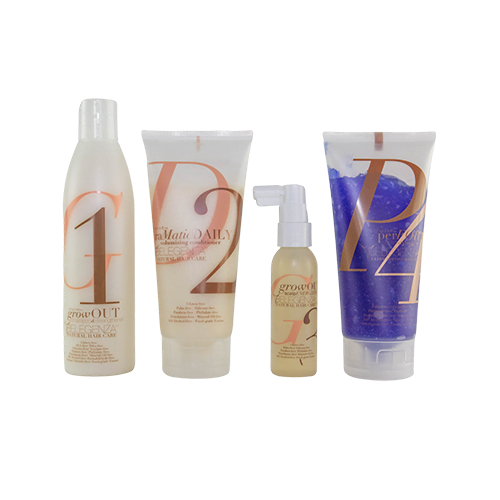
Belegenza’s Fast Hair Growth Support Essentials brings together silicone-free products designed around scalp-focused care, moisture, and the condition of existing hair.
Rather than promising to correct blood pressure or treat an underlying medical condition, the system provides a practical way to make thoughtful hair care part of your daily routine.
Its formulation philosophy emphasizes carefully selected ingredients that help support scalp comfort and hair quality.
EXPLORE FAST HAIR GROWTH SUPPORT ESSENTIALS →
Before You Blame Your Blood Pressure, Consider Your Everyday Habits
Sometimes hair changes involve more than one factor.
Repeated styling stress, excessive heat, harsh handling, and unsuitable products can contribute to breakage and make your hair look less full.
That’s why we created our complimentary guide:
12 Everyday Things Slowing Hair Growth: Hair Thinning Reversed!
Discover everyday habits worth reconsidering as you work toward stronger, healthier-looking hair.
GET YOUR COMPLIMENTARY GUIDE →
The Belegenza Difference
We believe better hair care begins with better questions.
What’s happening at the scalp?
What does your hair actually need?
Are your products supporting moisture and flexibility—or simply creating the appearance of softness?
And could there be an underlying reason your hair is changing that deserves professional attention?
We created Belegenza to offer a different approach to everyday hair care: carefully selected ingredients, concentrated formulations, and a commitment to silicone-free conditioning.
Our products aren’t intended to diagnose or treat blood-pressure disorders or medical causes of hair loss.
They’re designed to help you care for your scalp and the hair you’ve already grown, thoughtfully.
Hair responds to what you repeatedly do—not what you occasionally do.
Here’s to loving your hair,
Alan & Cheryl
Belegenza Natural Hair Care
Frequently Asked Questions
Can low blood pressure cause hair loss?
Ordinary low blood pressure has not been shown to directly cause hair loss. However, some underlying conditions associated with symptoms such as dizziness, fatigue, or low blood pressure may also contribute to hair changes. A healthcare professional can help investigate the cause.
Does low blood pressure reduce blood flow to hair follicles?
Not necessarily. The body regulates blood flow to its tissues, and naturally low blood pressure doesn’t automatically mean hair follicles receive inadequate circulation. Severe hypotension can compromise tissue perfusion and requires medical attention.
Can increasing blood pressure make hair grow faster?
No reliable evidence shows that raising blood pressure within or above the normal range accelerates hair growth. Blood-pressure management should be guided by medical needs, not cosmetic hair-growth goals.
Can anemia cause hair thinning?
Iron deficiency can contribute to hair shedding in some people, and anemia may accompany iron deficiency. However, not every person with anemia experiences hair loss, and not all hair loss is caused by iron deficiency.
Can blood-pressure medications cause hair loss?
Some medications used for cardiovascular conditions have been associated with hair shedding in certain individuals. Never stop prescribed medication without consulting your healthcare professional.
What should I do if I have low blood pressure and sudden hair shedding?
Schedule a medical evaluation, especially if you also experience dizziness, fatigue, fainting, or other new symptoms. Sudden hair shedding can have several causes, and identifying the trigger is important.
Can scalp-care products improve circulation and stimulate hair growth?
Some scalp products are formulated to provide an invigorating sensation or support scalp comfort. However, that sensation doesn’t establish increased follicular blood flow or faster hair growth. Cosmetic products should not be considered treatments for low blood pressure or medical hair-loss conditions.
How can I care for thinning hair while investigating the cause?
Choose gentle cleansing, appropriate conditioning, and products that help maintain moisture and flexibility. Reduce unnecessary heat and styling stress. A consistent, silicone-free routine can support your existing hair while you investigate the cause of thinning.
Related Reading
Medical Information Disclaimer
This article is provided for general education and is not medical advice. Low blood pressure, hair shedding, and hair loss can have different causes and may require professional evaluation. Do not change prescribed medications or attempt to raise your blood pressure for hair-growth purposes without medical guidance. Seek urgent medical care for fainting accompanied by chest pain, shortness of breath, confusion, or other severe symptoms.
Sources & Further Reading
- How to Build a Scalp-First Haircare Routine for Healthier, Fuller-Looking Hair
- Color WOW Dream Coat vs. Belegenza VirgINity Hair Repair: Which Is Better for Humidity Control?
- Vitamin D Derivatives, Scalp Science, and Why the Environment Around Hair May Matter as Much as Hair Itself
- NULASTIN vs GrowOUT: The New Era of Hair Fitness and Why Scalp Science Is Getting Smarter
- How to Create a Scalp-Friendly Hair Routine