Intro to Vitamin A, Menopause and Hair Loss
Every woman will eventually experience a biological process called menopause.
You’ve probably done much research and realized it’s a complex issue.
There’s a ton of research and opinions which can be overwhelming and frustrating, and some that are downright wrong.
Stressing about it only causes more hair loss.
Consider this: What if you discovered that your hair was already under attack and menopause pushed it over the edge?
Is your hair feeling thin, dry, and brittle?
Have you tried countless products and at-home remedies to no avail?
Fear not; we are here to help!
Many overlook how important vitamin A is to your body,
including your hair and skin.
Vitamin A is essential for cells to grow. Hair is the fastest growing tissue in the human body, therefore, vitamin A helps hair grow. Skin glands also use vitamin A to produce sebum. Sebum keeps the scalp moisturized and
hair healthy.
During your menopause period, you must do all the right things to
ensure the health of your hair follicles
to maximize hair growth.
Vitamin A and Menopause Hair Loss
Before you continue reading, it’s important to note that we are not medical professionals, so we don’t give medical advice or make claims.
The most common sign of vitamin A deficiency is the inability to see in low light called xerophthalmia.
If left untreated, it may cause blindness.
A long-term deficiency of vitamin A can also lead to a higher risk of respiratory diseases and infections. It can also cause anemia (a condition in which the red blood cells do not supply enough oxygen to the body).
Vitamin A is found naturally in many foods and is added to some foods, such as milk. You can get recommended amounts of vitamin A by eating a variety of foods, including the following:
1. Some types of fish, such as herring and salmon
2. Beef liver and other organ meats
3. Green leafy vegetables and other green, orange, and yellow vegetables, such as spinach, sweet potatoes, carrots, broccoli, and winter squash
4. Fruits, including cantaloupe, mangos, and apricots
5. Dairy products, such as milk and cheese
6. Eggs
Conclusion to Vitamin A and Menopause Hair Loss
If you are concerned with your vitamin A levels, contact your doctor to have your levels checked.
The best defense against hair loss is to eat a variety of nutrient-dense foods. To ensure you are growing your best hair possible,
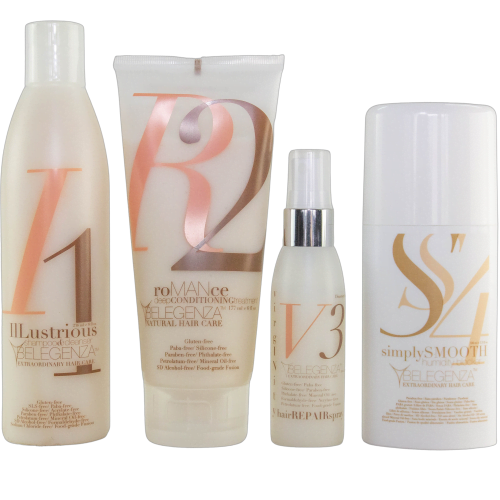
you must use gentle, natural, and nourishing hair care products. Make sure they are SLS (sodium laurel sulfate) free and chemical-free and nasties free as are Belegenza products!
Belegenza Natural Hair Care has taken the guesswork out of which hair care products are right for you.
We continuously research ingredients to provide you with the best and safest possible.
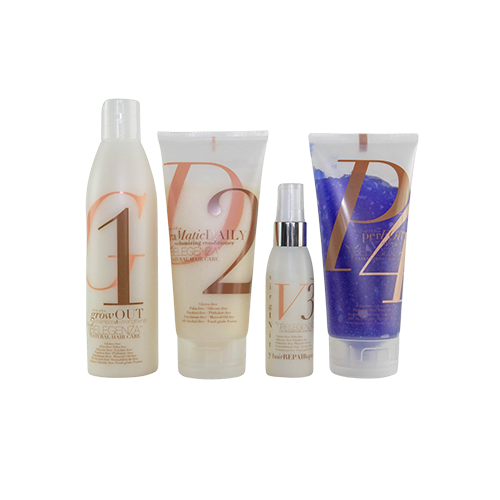
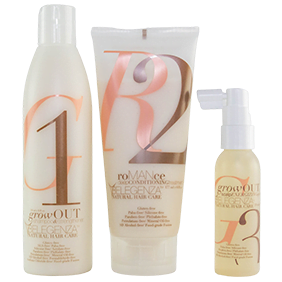
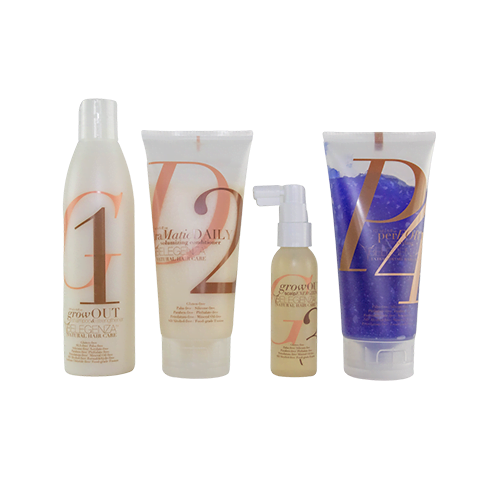
Check out the Menopause Hair Growth & Balance package by Belegenza for your hair and scalp needs.
Healthy hair starts with a healthy scalp!
Your Favorite Brother & Sister Vitamin A & MORE Hair Growth Experts,
Alan & Cheryl
BONUS:
FREE "12 Everyday Things Slowing Hair Growth: Hair Thinning Reversed!" Click here, now.
tags: Menopause and Hair Loss, gluten free, sls free, sulfate free, Menopause and Hair Loss,
- How to Build a Scalp-First Haircare Routine for Healthier, Fuller-Looking Hair
- Color WOW Dream Coat vs. Belegenza VirgINity Hair Repair: Which Is Better for Humidity Control?
- Vitamin D Derivatives, Scalp Science, and Why the Environment Around Hair May Matter as Much as Hair Itself
- NULASTIN vs GrowOUT: The New Era of Hair Fitness and Why Scalp Science Is Getting Smarter
- How to Create a Scalp-Friendly Hair Routine